

Blog
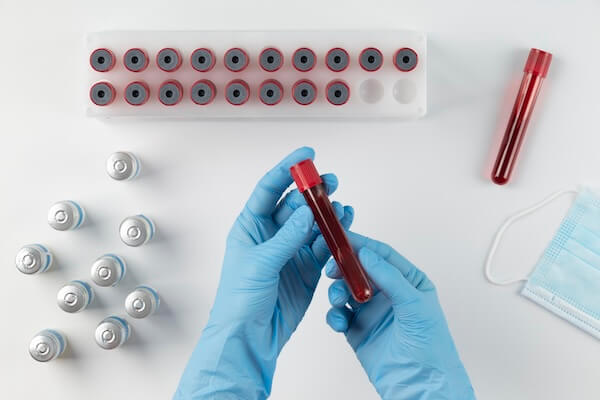
Blood Test Mismatch May Raise the Risk of Kidney Failure and Heart Disease
A recent investigation indicates that when two commonly used blood tests for assessing kidney function produce conflicting results, patients may be at increased risk of kidney failure, cardiovascular disease, and death.
For decades, physicians have primarily depended on creatinine levels in the blood to estimate how efficiently the kidneys eliminate waste generated by muscle activity. In more recent years, clinical guidelines have increasingly supported the use of cystatin C— a protein produced by all cells in the body— as an additional marker of kidney performance.
Since creatinine and cystatin C are influenced by different physiological factors, such as aging, inflammation, and illness, assessing both markers together can provide a more reliable evaluation of kidney health than relying on either measure alone.
Discrepancies that signal future risk
Researchers at NYU Langone Health observed that significant differences between creatinine- and cystatin C–based estimates of kidney function are relatively common, especially among individuals with existing health issues. Their findings suggest that such discrepancies may serve as early indicators of future disease.
In this international analysis, more than one-third of hospitalized patients had cystatin C–based kidney function estimates that were at least 30% lower than those calculated using creatinine.
“Our results emphasize the value of measuring both creatinine and cystatin C to better understand true kidney function, particularly in older and medically complex patients,” said study co-corresponding author Morgan Grams, MD, PhD. “Using both biomarkers together helps uncover cases of impaired kidney function that might otherwise go undetected until later stages.”
Why precise kidney measurement is essential
The study, recently published in Journal of the American Medical Association, was also presented at the American Society of Nephrology’s annual Kidney Week conference.
Accurate assessment of kidney function plays a critical role not only in diagnosing disease, but also in guiding medication dosing for treatments such as chemotherapy, antibiotics, and other widely prescribed drugs. According to the research team, chronic kidney disease now affects more people globally than ever before and has risen to become the ninth leading cause of death worldwide. Earlier and more precise detection may allow patients to begin treatment sooner and potentially avoid advanced interventions like dialysis or kidney transplantation.
Global data highlight long-term outcomes
To conduct the study, investigators analyzed medical records, laboratory data, and demographic information from 860,966 participants representing six different nationalities. All individuals had both creatinine and cystatin C measured on the same day and were followed for an average of 11 years. Researchers accounted for non-kidney-related factors that could influence test results, including smoking status, obesity, and cancer history.
Carried out under the Chronic Kidney Disease Prognosis Consortium, this is the largest study to date examining differences between these two kidney markers and their relationship to long-term health outcomes. The consortium was established to improve understanding of chronic kidney disease and to refine global definitions and risk assessment standards.
The analysis revealed that individuals whose cystatin C–based kidney function estimates were at least 30% lower than creatinine-based estimates faced a higher risk of death, heart disease, and heart failure. They were also more likely to progress to advanced chronic kidney disease requiring dialysis or transplantation. Similar patterns were observed in 11% of outpatient participants and individuals initially considered healthy.
Bridging the testing gap
Although cystatin C testing has been recommended since 2012 by international kidney health guidelines, its adoption remains limited. A 2019 survey showed that fewer than 10% of clinical laboratories in the United States performed the test on-site. While major laboratories such as Quest Diagnostics and Labcorp now offer cystatin C testing, it remains underutilized in many clinical settings.
“These findings highlight the importance of clinicians taking advantage of expanded access to cystatin C testing,” said study co-corresponding author Josef Coresh, MD, PhD. “Without it, physicians may miss critical insights into a patient’s current health and future risk.”
Among hospitalized patients included in the study, fewer than 1% had undergone cystatin C testing, underscoring a substantial gap between clinical recommendations and real-world practice.
Source: NYU LANGONE HEALTH / NYU GROSSMAN SCHOOL OF MEDICINE
ImageCredits: Freepik