

Blog
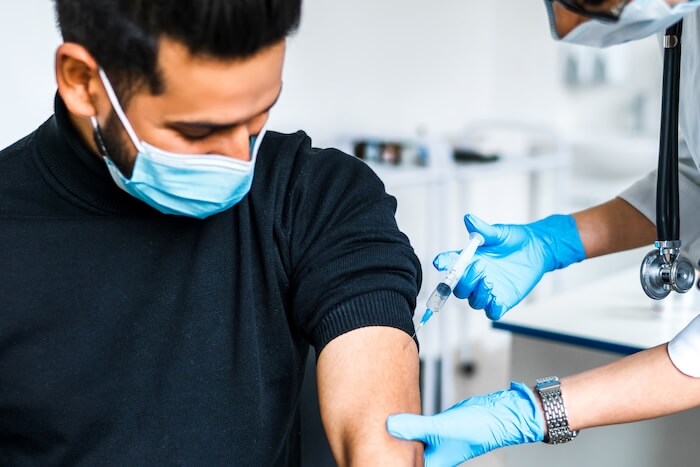
New Study Suggests Shingles Vaccine Could Slow Biological Aging
A recent study from the USC Leonard Davis School of Gerontology suggests that receiving the shingles vaccine may offer benefits beyond protection from the disease itself. Researchers found that vaccination could also be associated with slower biological aging among older adults.
The study analyzed data from the U.S. Health and Retirement Study, a nationally representative survey that tracks health and aging patterns among Americans. Researchers evaluated more than 3,800 participants aged 70 and above in 2016 to determine how shingles vaccination might influence biological aging indicators. After adjusting for various social, demographic, and health-related factors, the results showed that individuals who had received the shingles vaccine tended to experience slower biological aging compared with those who were not vaccinated.
Understanding Shingles and Its Risks
Shingles, medically known as herpes zoster, is a painful rash caused by the reactivation of the varicella-zoster virus, the same virus responsible for chickenpox. Anyone who has previously had chickenpox carries the virus in their body and may develop shingles later in life. Although the condition can occur at any age, the risk increases significantly after the age of 50 and among individuals with weakened immune systems.
Vaccination helps reduce the likelihood of developing shingles and can also lower the risk of postherpetic neuralgia, a complication that causes long-lasting nerve pain following infection.
According to Jung Ki Kim, a Research Associate Professor of Gerontology and the study’s lead author, vaccines may have wider health implications beyond preventing infections.
“Growing evidence suggests that adult vaccinations, including those for shingles and influenza, may be linked to lower risks of conditions such as dementia and other neurodegenerative diseases,” Kim explained.
She added that the findings contribute to a broader understanding of how vaccines might support healthy aging by influencing biological processes beyond infection prevention.
Biological Aging vs. Chronological Aging
The study focuses on biological aging, which reflects how well the body’s systems and organs function over time. This differs from chronological aging, which simply refers to the number of years a person has lived.
Two individuals of the same age can have very different biological health profiles. One person may exhibit biological characteristics of someone much younger, while another may show signs of accelerated aging.
To assess biological aging, researchers examined seven biological indicators:
-
Inflammation levels
-
Innate immune function (the body’s general defense against infection)
-
Adaptive immunity (immune responses developed after exposure or vaccination)
-
Cardiovascular dynamics, including blood flow
-
Markers associated with neurodegeneration
-
Epigenetic aging, which reflects changes in how genes are activated or suppressed
-
Transcriptomic aging, which involves gene activity related to protein production
These factors were also combined to create an overall biological aging score.
Evidence of Reduced Inflammation and Slower Aging
The analysis revealed that individuals who had received the shingles vaccine showed lower levels of inflammation, as well as slower epigenetic and transcriptomic aging. Overall, vaccinated participants had better scores on the combined biological aging measure.
These findings are particularly notable because chronic low-grade inflammation is widely recognized as a key contributor to many age-related health problems, including cardiovascular disease, frailty, and cognitive decline. Scientists often refer to this phenomenon as “inflammaging.”
Kim noted that preventing the reactivation of the virus responsible for shingles could help reduce this background inflammation. As a result, vaccination may indirectly support healthier aging by lowering inflammatory activity in the body.
Although the precise biological mechanisms are still being studied, the results suggest that vaccines could play a role in broader strategies aimed at slowing age-related decline and improving resilience in older adults.
Long-Lasting Benefits May Be Possible
The researchers also examined how long the effects of vaccination might last. Participants who had received the shingles vaccine four or more years before their blood samples were collected still showed signs of slower biological aging compared with individuals who had never been vaccinated.
According to Eileen Crimmins, USC University Professor and co-author of the study, the results highlight the potential impact of vaccination on biological processes associated with aging.
“These findings suggest that shingles vaccination may influence several key biological pathways related to aging,” Crimmins said. “While additional studies are needed to confirm and expand upon these results, the research contributes to growing evidence that vaccines may support healthy aging beyond simply preventing infectious diseases.”
Source: University of Southern California
ImageCredits: Freepik